
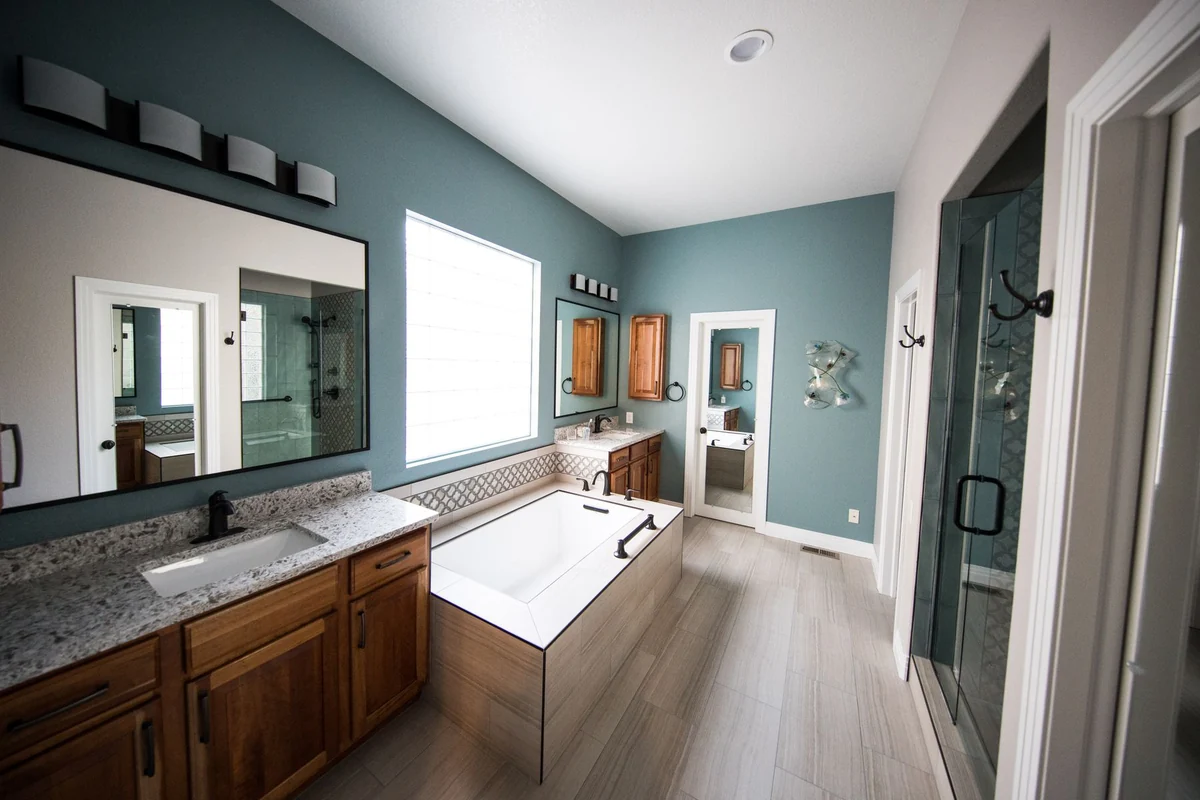
Searching for qualified bathroom renovators in California can feel overwhelming once you realize how many decisions ride on that one hire: waterproofing method, code compliance, timeline, and budget all trace back to the contractor you choose. With California's mix of older housing stock, strict building codes, and wide variation in local permitting rules, picking the wrong renovator does not just cost money, it can mean tearing out failed work and starting over.
This guide walks through exactly what to look for, what questions to ask, and which red flags should send you looking elsewhere, so you can hire a bathroom renovator with confidence anywhere from San Diego to Sacramento, whether you are planning a full gut remodel or a single-fixture upgrade.
Why Bathroom Renovator Selection Matters More in California
California's building stock spans everything from 1920s bungalows to brand-new construction, and each era brings different plumbing, framing, and code challenges. A renovator who has only worked on new-construction tract homes may not know how to navigate galvanized pipe, knob-and-tube wiring near a wet room, or a foundation that has shifted enough to throw off a shower pan slope. Local permitting offices also vary significantly between counties and cities, so a contractor's familiarity with your specific jurisdiction's inspection process can save weeks of delay.
Licensing Requirements
Any contractor performing work over $500 in labor and materials in California must hold an active license from the Contractors State License Board (CSLB), typically a C-54 (tile), C-36 (plumbing), or B (general building) classification depending on scope. Always verify a license number directly on the CSLB website rather than trusting a number printed on a business card or truck door.
Pro tip: Search the CSLB license lookup for the exact business name and check the Bonding and Workers Comp status, not just whether the license is active. A lapsed bond or missing workers comp coverage is a liability that becomes yours if someone is injured on your property.
What Separates a Skilled Bathroom Renovator From a Generalist
Bathroom remodeling is one of the most technically demanding categories of home renovation because it combines plumbing, electrical, waterproofing, and finish carpentry in a small, moisture-heavy space. A general contractor who mostly handles kitchens or additions may subcontract the bathroom-specific trades out, which adds a layer of communication and accountability you want to avoid.
Waterproofing Expertise
Waterproofing method matters more than tile choice for shower longevity. Ask any renovator you are evaluating whether they use a sheet membrane system (such as Schluter-Kerdi) or a liquid/paint-applied membrane (such as RedGard) to fully seal the substrate. If a contractor describes an older tar-paper-and-mud pan approach as their primary waterproofing method rather than a backup weep-hole system, that is worth a follow-up question, since modern membrane systems seal the substrate directly instead of relying on a drain to catch what gets through.
Backer Board Knowledge
A renovator should immediately know that cement backer board (like HardieBacker or Durock) or a foam shower board system is required behind tile in wet areas, and that standard water-resistant green board drywall is not rated for direct wet exposure. If a bid mentions green board anywhere inside the showers splash zone, that is a sign to ask more questions or walk away.
Key fact: Cement backer board or foam shower board is required behind tile in wet areas; green board drywall is only acceptable outside the direct splash zone, not as a substrate for wall tile inside a shower.
Questions to Ask Before Signing a Contract
A detailed conversation before signing anything reveals more about a renovators competence than their portfolio photos. Bring these questions to every estimate appointment:
- What waterproofing system do you use, and can you walk me through the shower pan slope you will build? (Code minimum is 1/4 inch per foot toward the drain in most jurisdictions.)
- Do you pull permits yourself, or is that my responsibility? Any fixture relocation, such as moving a toilet or shower drain, typically requires a permit and can add meaningfully to both cost and timeline.
- How do you size the exhaust fan for this room? The common HVI rule is roughly 1 CFM per square foot of floor area, with a 50 CFM minimum even in a small powder room.
- If I want a curbless or barrier-free shower, can the floor substrate be dropped at the framing stage? This is a decision that has to be made early, not added later in the project.
- What is your projected timeline once demo starts, and what could extend it?
Understanding California Bathroom Remodel Costs
Cost expectations vary by region, home age, and scope, but statewide benchmarks give you a starting point for evaluating bids. A full bathroom remodel down to the studs typically runs $15,000 to $35,000 or more, depending on size and finish level, while a walk-in shower conversion alone, replacing a tub with a curbless or low-threshold shower, typically runs $6,000 to $15,000. If a bid comes in dramatically below these ranges, ask exactly what is excluded, since underbidding is one of the most common ways corners get cut on waterproofing and permitting.
Labor rates in California generally run above the national average, particularly in coastal metros, which is one reason bids here often land toward the higher end of the national cost ranges. Material costs can also fluctuate with tile and fixture import timing, so a renovator who locks in pricing with a signed contract, rather than leaving material costs open-ended, protects you from a mid-project price increase.
Timeline Expectations
A typical full bathroom remodel runs 2 to 4 weeks once demolition starts, though that stretches out considerably if plumbing or electrical relocation, custom tile layouts, or inspection scheduling delays are involved. Ask your renovator to walk you through their draw schedule and what milestones trigger each inspection, since California cities differ in how quickly they can schedule rough-in and final inspections.
Pro tip: Ask for a written timeline broken into phases (demo, rough plumbing/electrical, waterproofing, tile, finish) rather than a single end date. A renovator who cannot break down the schedule that specifically often has not planned the sequencing carefully.
Accessibility and Universal Design Considerations
Californias aging population and growing interest in aging-in-place design mean many renovators now specialize in accessible bathroom features. If you are planning for long-term use, ask whether your renovator installs grab bar blocking during framing rather than after tile is set. Solid wood or plywood backing inside the wall must go in before drywall and tile, because retrofitting a grab bar into an unblocked wall means cutting into finished tile later. Standard vanity height runs 32 to 36 inches, while ADA-compliant vanities are typically capped around 34 inches with knee clearance underneath for wheelchair access.
Design Trends Worth Discussing With Your Renovator
A renovator who stays current on design trends can help you avoid choices that look dated within a few years. Frameless glass shower doors, using 3/8 to 1/2 inch tempered glass with no metal frame, are now the dominant trend over framed or sliding enclosures, though they cost roughly 2 to 3 times a standard framed unit. Linear (trench) drains are increasingly popular too, since they allow a single-slope shower floor instead of the traditional four-way slope to a center drain, which pairs especially well with curbless entries and large-format tile.
Recessed niche shelving built directly into the waterproofing membrane during rough-in is another detail worth asking about, since it avoids the leak risk that comes with surface-mounted corner shelves added after tile is already set.
Red Flags That Should End the Conversation
Certain warning signs apply no matter where in California you are located:
- Reluctance to provide a CSLB license number or proof of bonding and workers compensation insurance
- A bid that skips permit pulling for fixture relocation without explaining why
- Vague answers about waterproofing method, or confidently describing green board as suitable for shower walls
- Requests for full payment upfront before any work begins
- No written contract detailing materials, timeline, and payment schedule
Where to Find Reputable Bathroom Renovators Across California
Beyond a general web search, the most reliable leads for bathroom renovators in California tend to come from a handful of sources: recent neighbors who had comparable work done, local tile and plumbing supply houses that see contractor work firsthand, and the CSLB complaint history for any business you are considering. Supply house staff in particular often know which contractors return for quality materials and which ones cut corners, since they watch purchasing patterns over years, not just a single project.
Coastal Southern California markets like San Diego and Orange County tend to see heavier demand for walk-in shower conversions and curbless designs, partly driven by an older homeowner base wanting to age in place without a major move. Inland and Central Valley markets often see more full gut remodels tied to broader home renovations, where budget flexibility can be tighter and timeline matters more because of extreme summer heat limiting comfortable work windows. A renovator who works primarily in one of these markets should be able to speak to how local permitting offices typically handle inspection scheduling, since that varies enough between cities to affect your project timeline by a week or more.
Reviewing Bids Side by Side
Once you have two or three detailed bids in hand, resist the temptation to compare only the bottom-line number. Line them up by scope instead: does each bid specify the exact waterproofing system, backer board product, exhaust fan CFM rating, and grout type (cement-based grout needs annual sealing, while epoxy grout resists staining better and skips that maintenance step but is harder to install)? A bid that lists these details specifically is far more trustworthy than one that simply says tile installation and waterproofing as usual, because vague line items are where corners quietly get cut once work begins.
It also helps to ask each renovator for two or three references from projects completed at least a year earlier, not just recent work. A shower that still performs well after a year or two of daily use is a far better indicator of waterproofing quality than a freshly finished install that has not yet been tested by time.
Bringing It All Together
Finding the right bathroom renovators in California comes down to verifying licensing, probing their waterproofing and code knowledge, and getting a detailed written timeline and scope before any demolition starts. A renovator who can speak specifically to shower pan slope, backer board requirements, exhaust fan sizing, and permit responsibilities is demonstrating exactly the kind of technical fluency that prevents costly rework later. Take the time to interview at least two or three licensed contractors, check their CSLB status directly, and compare not just price but how thoroughly they answer the questions above, since that diligence upfront is what protects your investment for years to come.